
Play Aviator Now!
Home → Auto Cashout
Aviator Auto Cashout
Auto cashout in Aviator
The auto cashout feature allows players to set a specific multiplier threshold before the round begins, removing the need for manual intervention during the rapid rise of the plane. This tool functions within the Spribe game mechanics where the multiplier climbs continuously until it crashes unpredictably. By pre-setting this value, users automate the exit strategy without relying on reflex speed or internet latency. The system executes the withdrawal instantly when the rising number hits the target, securing the profit defined by that exact multiplier level.
Aviator round parameters
| Max multiplier | x1,000,000 |
| RTP | 97.00% |
| Bet range | 0.10 EUR / USD / GBP (varies by operator) - 100 EUR / USD / GBP (varies by operator) |
This automated function operates alongside the standard betting interface, ensuring that every wager placed has a corresponding exit condition ready to trigger. The game developer Spribe designed this dual-bet mode to support various playing styles, allowing one bet to be manual while the other is automated. Such configuration helps manage bankroll distribution across multiple simultaneous rounds without overwhelming the player with constant decision-making tasks. The reliability of this feature depends on the server processing speed, which remains consistent due to the provably fair SHA-256 algorithm used for all calculations.
The theoretical return of 97.00% applies regardless of whether the player uses manual controls or the auto cashout setting, as both methods rely on the same underlying probability model. However, using automation eliminates emotional hesitation that often leads to delayed reactions and missed payouts in fast-moving crash scenarios. This consistency ensures that the house edge of 3.00% remains stable over thousands of rounds, unaffected by human error or fatigue during intense gameplay sessions. Players seeking predictable outcomes often prefer this method for its discipline and removal of subjective judgment calls from the immediate moment of decision.
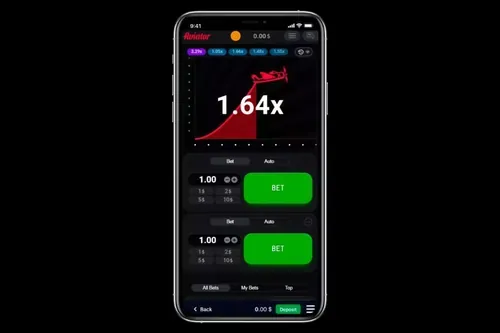
Setting a target multiplier
Players define their target multiplier by entering a numerical value into the auto cashout field, which then dictates the exact point at which the bet will close automatically. This input must be greater than 1.00 to ensure any potential profit is generated above the initial stake amount. The system accepts various decimal values, allowing for precise control over risk tolerance and expected return per round. Lower targets like x1.50 offer frequent small wins, while higher targets such as x10.00 provide larger payouts but occur less frequently due to the crash nature of the game.
The maximum win cap of x1,000,000 sets an upper boundary for any single payout, meaning no matter how high the multiplier rises, the final credit cannot exceed this limit. Setting a target near this extreme is statistically improbable but technically possible if the plane flies exceptionally long before crashing. Most strategic players choose moderate multipliers between x2.00 and x5.00 to balance frequency with profitability, avoiding the volatility of chasing massive numbers. This approach aligns with the 97.00% RTP, aiming for steady growth rather than rare jackpots that drain the bankroll through extended losing streaks.
Unlike slots with fixed paylines, Aviator requires the player to actively decide when to stop the rising curve, making the target setting crucial for managing variance. The provably fair certification by iTech Labs guarantees that the crash point is random and not manipulated based on the chosen target value. This independence ensures that setting a low target does not increase the likelihood of an early crash, nor does a high target delay the inevitable end. Understanding this randomness helps players select targets based on personal risk appetite rather than attempting to predict or influence the game's outcome through specific numerical choices.
Why automation removes hesitation
Hesitation in crash games often results in significant financial loss because the multiplier rises rapidly, leaving only milliseconds for a manual cashout action to succeed. Automation eliminates this reaction time gap by executing the trade exactly at the predetermined threshold, ensuring no profit is left on the table due to slow fingers. This mechanical precision is particularly valuable in multiplayer environments where hundreds of bets are settled simultaneously, creating visual noise that can distract human operators. The Spribe engine processes these withdrawals instantly, prioritizing the programmed instruction over any manual input attempt made after the target was reached.
The psychological burden of watching a winning multiplier climb is reduced significantly when the auto cashout is engaged, as the outcome is already decided before the crash occurs. This detachment prevents common behavioral errors such as greed-induced holding, where players wait too long hoping for a higher number and lose everything when the plane flies away. By locking in profits at a specific point, the player secures the mathematical expectation of their bet rather than gambling on luck for a larger reward. This disciplined approach supports long-term bankroll management, keeping the effective house edge at its stated 3.00% without additional losses from poor timing decisions.
Technical limitations such as internet latency can further exacerbate hesitation issues, causing delays between the visual cue of the crash and the user's click on the cashout button. Auto cashout bypasses these network-related risks entirely, as the decision is processed server-side before the visual representation of the crash even appears on the screen. This ensures fairness regardless of the player's connection quality or device performance, maintaining the integrity of the 97.00% theoretical return rate. Consequently, automation provides a more reliable and equitable playing experience compared to manual methods that are susceptible to external technical variables and human error.
Low targets versus high targets
Low target multipliers, typically ranging from x1.10 to x2.00, result in frequent but small payouts that help sustain the bankroll over extended gaming sessions. These conservative settings align with the lower volatility aspects of the game, offering a higher hit frequency that keeps the player engaged with regular returns. While each individual win is modest, the cumulative effect of many small successes can offset occasional losses more effectively than chasing large, rare jackpots. This strategy leverages the 97.00% RTP by focusing on volume and consistency rather than hoping for a single massive payout from a high-risk bet.
High target multipliers, such as x50.00 or x100.00, offer substantial rewards but come with a significantly lower probability of occurrence, leading to longer dry spells between wins. Players employing this aggressive approach must withstand substantial drawdowns, as the crash mechanism frequently ends rounds before reaching these elevated levels. The maximum win cap of x1,000,000 represents the absolute ceiling for such bets, but reaching even x100.00 requires the plane to survive numerous critical thresholds. This high-variance tactic appeals to those willing to accept a higher risk of total loss in exchange for the chance at life-changing sums.
Comparing these approaches reveals a trade-off between frequency and magnitude, where low targets provide stability while high targets offer explosive potential at the cost of endurance. Statistical analysis shows that over thousands of rounds, the average return converges toward the 97.00% RTP regardless of the target selected, provided the player does not alter their bet size dynamically. However, the variance differs greatly, with high targets producing wider swings in bankroll balance that require larger starting funds to survive. Understanding this dynamic helps players choose a strategy that matches their financial capacity and risk tolerance, avoiding ruin from unsustainable high-risk behaviors.
Auto bet alongside auto cashout
The dual-bet mode in Aviator allows players to place two separate wagers simultaneously, each with independent auto cashout settings for maximum flexibility in strategy execution. One bet can be set for a low, safe target to cover costs, while the second bet aims for a high multiplier to generate profit. This configuration enables sophisticated tactics such as hedging, where the first bet ensures break-even status while the second carries the risk for upside gains. The Spribe platform processes both bets independently, ensuring that the outcome of one does not interfere with the execution of the other's cashout instruction.
Using auto bet in conjunction with auto cashout streamlines the gameplay loop, allowing players to sit back and let the system handle repeated rounds without constant input. This hands-off approach is ideal for testing strategies over hundreds of spins, providing data on win rates and bankroll fluctuations without manual effort. The automatic re-betting feature resets the wager amount immediately after a round concludes, maintaining a consistent stake size throughout the session. This consistency is crucial for accurate analysis of the 97.00% RTP, as variable bet sizes can distort the perception of actual return over time.
Limitations apply to the auto bet function, such as minimum and maximum stake amounts that must be respected by the system during automated cycles. Players should verify these limits before starting an automated sequence to avoid interruptions caused by invalid bet sizes or insufficient balance. Additionally, the provably fair mechanism ensures that each round's outcome remains random and unaffected by the previous auto-bet history or cashout patterns. This transparency maintains trust in the game's integrity, confirming that automation tools enhance convenience without compromising the fundamental fairness of the crash mechanic.
Aviator: key facts
| Parameter | Value |
|---|---|
| Game | Aviator |
| Studio | Spribe |
| Released | 2019 |
| RTP | 97.00% |
| House edge | 3.00% |
| Max win | x1,000,000 |
Choosing a cashout target
The theoretical RTP of 97.00% represents the long-term return for Aviator, developed by Spribe in 2019, which establishes a house edge of 3.00%. This percentage indicates that over hundreds of thousands of rounds, players can expect to retain ninety-seven cents for every euro wagered in the crash mechanic. Consequently, setting a conservative auto cashout multiplier helps preserve bankroll integrity against the mathematical disadvantage inherent in the game design. Some operators may configure lower RTP settings such as 96%, altering the expected value significantly.
Developing a strategy requires understanding that the maximum win cap is set at x1,000,000, a figure achievable only through extremely rare high-multiplier events. The dual-bet mode allows players to place two simultaneous wagers, enabling one bet to secure early profits while the other chases higher multipliers. This approach balances risk by ensuring consistent small wins offset the potential losses from the second bet chasing the million-x payout. The provably fair system via SHA-256 ensures these outcomes are transparent and verifiable by the player independently.
Testing different targets involves analyzing how often the plane flies away before reaching specific multipliers, given the high volatility of the game. A lower target like x2 yields frequent but small payouts, whereas aiming for x100 drastically reduces hit frequency despite the higher reward per round. Players must calculate their desired risk tolerance based on the 3.00% house edge to determine sustainable betting patterns over extended sessions. The multiplayer live bet feed provides real-time data on other players' cashouts, offering social proof for target selection strategies.
Frequency against payout size
The relationship between hit frequency and payout size is inverse in Aviator, where higher multipliers occur less frequently due to the exponential growth of the curve. With an RTP of 97.00%, the distribution of crashes is random yet mathematically bounded, meaning low multipliers appear more often than extreme ones. Understanding this variance helps players avoid chasing losses by increasing bet sizes after a dry streak of low payouts in the crash game. The certified audits by iTech Labs confirm that these frequencies are not manipulated and adhere strictly to the published theoretical return parameters.
Auto cashout features allow precise control over payout size by locking in winnings at predetermined multipliers, removing emotional decision-making from the process. Setting an auto cashout at x1.5 results in a high frequency of wins but limits the maximum payout size per round significantly. Conversely, disabling automation to chase higher multipliers like x50 increases the average payout size but drastically reduces the overall hit frequency. This trade-off defines the core gameplay loop, where players balance the desire for quick, small returns against the allure of massive single-round wins.
Comparing Aviator to Plane Game, another title by Spribe with identical 97.00% RTP, reveals similar frequency dynamics despite potential thematic differences. Both games operate on the same underlying algorithmic structure, meaning the statistical distribution of crash points remains comparable across both titles. Players switching between these games should expect similar volatility profiles and hit rates, allowing for consistent bankroll management strategies regardless of the specific variant chosen. The maximum win of x1,000,000 remains the upper limit for both, capping the potential impact of any single high-frequency event on total earnings.
Testing targets in demo
Using the demo version of Aviator allows players to test various cashout targets without risking real funds, providing a safe environment to observe crash patterns. Since the game uses a provably fair system based on SHA-256, the demo utilizes the same random number generation logic as the real-money version. This ensures that the frequency of crashes at specific multipliers in the demo accurately reflects what would occur during actual paid gameplay sessions. Players can experiment with the dual-bet mode to see how splitting stakes affects overall profitability and risk exposure in a zero-cost setting.
Testing different auto cashout settings helps identify personal comfort levels with volatility, especially given the high volatility classification of the game. By setting multiple targets in the demo, such as x2 and x10 simultaneously, players can analyze the correlation between hit rate and profit accumulation. The absence of financial pressure enables a clearer assessment of whether a specific strategy aligns with the 97.00% RTP expectation over time. This methodical approach prevents impulsive decisions that might arise when real money is on the line during live gameplay sessions.
The developer Spribe designed the interface to facilitate easy adjustment of bet sizes and cashout multipliers, making it ideal for iterative testing in demo mode. Players can record their results across dozens of rounds to calculate their own observed return, comparing it against the theoretical 97.00% figure. Discrepancies in short-term demos are normal due to variance, but long-term testing in demo should converge toward the stated house edge of 3.00%. This empirical validation builds confidence in the game's fairness before committing funds to the live casino environment for real monetary stakes.
Adjusting after a losing streak
A losing streak in Aviator does not influence future outcomes because each round is independent, governed by the fixed 97.00% RTP and SHA-256 randomness. Chasing losses by increasing bet sizes after a series of crashes is statistically unsound and risks depleting the bankroll rapidly due to the high volatility. Instead, maintaining a flat betting strategy preserves capital, allowing the long-term mathematical edge of the house to play out without unnecessary variance amplification. Recognizing that the game has no memory ensures players do not fall into the gambler's fallacy when adjusting their betting approach mid-session.
The maximum win cap of x1,000,000 serves as a reminder that even extreme multipliers are bounded, limiting the potential recovery from significant losses. If a player experiences a prolonged period of low multipliers, reducing the bet size rather than increasing it helps manage the negative variance effectively. The dual-bet mode can be utilized strategically by placing a larger bet on one account and a smaller, safer bet on the other to stabilize returns. This balanced approach mitigates the impact of consecutive losses while still participating in the potential for higher payouts from the secondary wager.
Monitoring the multiplayer live bet feed can provide context during a losing streak, showing that other players also experience similar variance in crash timings. Seeing others cash out at low multipliers reinforces the importance of sticking to a predefined strategy rather than reacting emotionally to recent losses. The 3.00% house edge remains constant regardless of previous results, so adjusting expectations to accept variance as part of the game is crucial. Successful adjustment involves resetting to baseline bets and avoiding the temptation to recover losses through aggressive, high-risk betting maneuvers immediately.
When to turn automation off
Turning off auto cashout in Aviator introduces reaction-time dependency, which adds psychological pressure but does not alter the fundamental 97.00% RTP or house edge. Manual cashing out allows players to react to visual cues, potentially securing slightly higher multipliers if they anticipate the crash point accurately. However, human error and delay often result in missing the optimal exit point, leading to lower average returns compared to consistent automated strategies over time. This manual intervention is best reserved for short bursts where players seek heightened engagement rather than optimized mathematical performance in the crash game.
The availability of dual-bet mode offers a compromise, allowing one bet to remain automated for stability while the other is played manually for higher risk. This setup lets players enjoy the thrill of manual cashing out on a portion of their stake while protecting the majority with automatic exits. It is advisable to keep the primary bet automated to ensure alignment with the long-term RTP, using the manual bet for entertainment value only. This hybrid approach maintains bankroll safety while satisfying the desire for active participation in determining individual round outcomes during gameplay.
Players should consider turning off automation only when they have sufficient experience and discipline to handle the increased variance of manual play. Given the high volatility and the certified fairness by BMM Testlabs, relying on skill for timing is ineffective against the random crash mechanism. The maximum win of x1,000,000 remains accessible regardless of automation status, so the choice depends on personal preference for engagement level. For most players, keeping auto cashout enabled ensures a smoother experience aligned with the theoretical return expectations of the Spribe-developed title.
Double bet setups
The Aviator game by Spribe released in 2019 supports a dual-bet mode that allows players to place two separate wagers within the same round structure. This feature enables simultaneous management of different risk profiles, such as combining a conservative auto cashout target with a higher multiplier goal for the second stake. Players can optimize their bankroll efficiency by balancing these concurrent actions rather than relying on single-entry strategies during each flight sequence.
The theoretical RTP of 97.00% represents the long-term return over hundreds of thousands of rounds, establishing a house edge of exactly 3.00% for the operator. When utilizing the dual-bet configuration, the mathematical expectation remains consistent across both positions, provided the player adheres to the provably fair algorithm verified by iTech Labs and BMM Testlabs. Understanding this baseline helps users evaluate potential losses against the certified fairness standards implemented by the studio since its initial launch.
Splitting stakes across two bets
Spribe's crash mechanic requires players to cash out before the plane flies away, making stake distribution critical when employing two simultaneous wagers. A common strategy involves allocating a larger portion to a lower multiplier target while reserving a smaller amount for a high-risk attempt at x1,000,000 maximum win potential. This split approach diversifies exposure to the inherent volatility of the rising multiplier curve without altering the underlying 3.00% house edge defined by the game rules.
Combining a safe and a risky target
The auto cashout function closes a bet automatically at a chosen multiplier, removing reaction time from the outcome but not changing the built-in statistical advantage held by the casino. By setting a secure early exit point alongside a speculative higher target, players create a structured method to manage the SHA-256 based provably fair system's randomness. This technique leverages the dual-bet mode to potentially cover costs with one wager while chasing significant payouts with the other, all within the same round cycle.
Limits of any automated plan
While automation simplifies execution, it cannot overcome the fundamental limitation imposed by the 3.00% house edge inherent in the 97.00% RTP configuration offered by Spribe. The provably fair mechanism ensures transparency through server seeds and client nonce combinations, yet no software tool can predict when the multiplier will crash during any specific flight. Players must recognize that algorithmic assistance only manages timing, not the probabilistic reality that governs long-term returns across infinite rounds of play.
What automation cannot fix
The max win cap of x1,000,000 defines the absolute ceiling for any single round, regardless of how sophisticated the betting strategy or automation protocol may be. Even with dual-bet setups and precise auto cashout triggers, the random nature of the crash point means outcomes remain unpredictable and independent of previous flight results. Users should rely on the certified fairness audits by iTech Labs and BMM Testlabs for assurance, understanding that no plan eliminates the variance associated with this instant game format.
DemoRTP & VolatilityHow to PlayAuto CashoutStrategyBonusesMobileDownload & AppMax WinSimilar GamesReviewFAQSitemap
Aviator 2026